
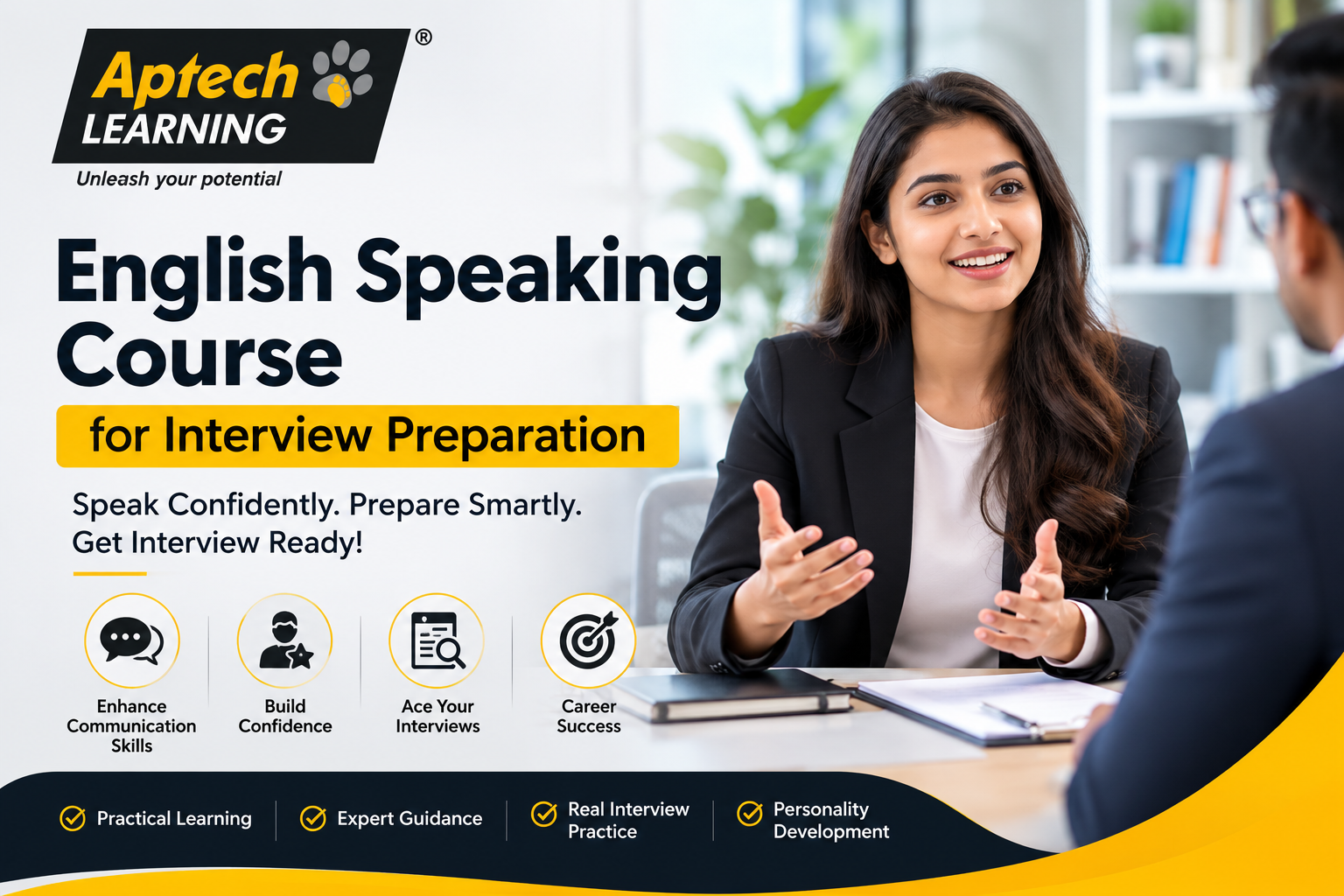
English Speaking Course for Interview Preparation: Guide
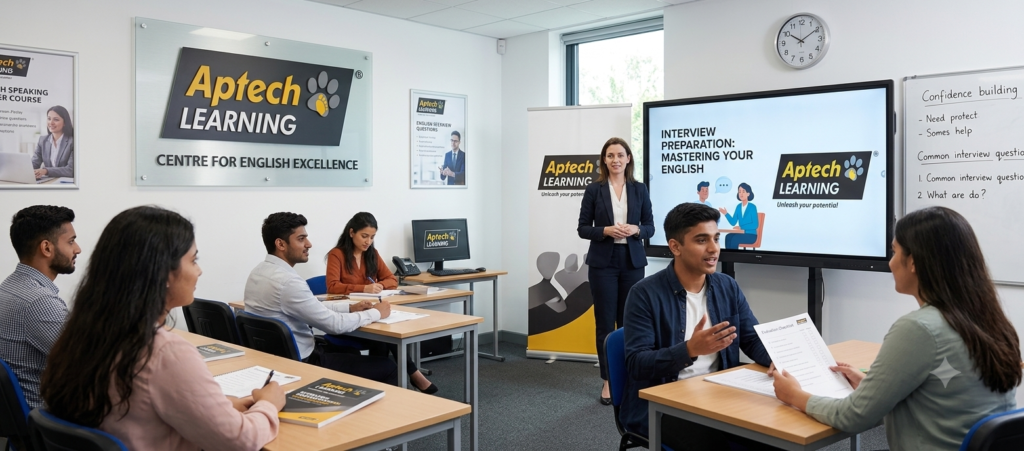
Why Interview English Feels Different From Regular Conversation
Talking to a friend in English and answering interview questions in English can feel like two completely different skills, even though both use the same language. In casual conversation, there is no real pressure, mistakes go unnoticed, and pauses feel natural. In an interview, every pause can feel like it is being judged, and the pressure to sound confident, clear, and professional adds an entirely new layer of difficulty.
Think of it like the difference between practising cricket shots casually with friends versus playing in front of selectors during trials. The skill required is technically similar, but the pressure changes everything. This is exactly why general spoken English improvement alone sometimes is not enough, interview-specific practice trains you to perform well specifically under that added pressure.
Why Interview-Focused English Preparation Matters
Preparing specifically for interview English matters for a few clear reasons:
Interviews often happen under time pressure, and general conversational fluency does not always translate directly into confident, quick responses in that specific setting.
Interviewers often evaluate communication clarity alongside technical skill, meaning strong English speaking can directly influence how your answers are perceived.
Nervousness naturally affects speech, and interview-specific practice helps you build familiarity with that pressure in advance, reducing its impact on actual interview day.
Many interview questions follow common, predictable patterns, and practising these specifically helps you respond more naturally instead of sounding overly rehearsed or completely blank.
Strong interview communication skills often influence not just whether you get hired, but also the confidence with which you negotiate and present yourself throughout the process.
Types of Interview English Challenges
Most candidates face one or more of these specific challenges during interviews.
Freezing Under Pressure
This involves knowing the answer but struggling to speak clearly the moment the pressure of the interview setting kicks in.
Rambling or Losing Structure
This involves speaking without a clear structure, leading to long, unclear answers that lose the interviewer’s attention.
Weak Professional Vocabulary
This involves knowing basic conversational English but lacking the specific vocabulary needed to describe skills, achievements, or experience clearly.
Overly Rehearsed, Robotic Answers
This involves memorising answers word for word, which can come across as unnatural or disconnected during the actual conversation.
Difficulty Handling Unexpected Questions
This involves struggling to respond confidently when a question does not match anything specifically prepared or practised in advance.
Challenge Type | What It Looks Like | Example
Freezing Under Pressure | Long pauses or going blank | Struggling to start an answer despite knowing it
Rambling or Losing Structure | Unfocused, lengthy answers | Talking for minutes without a clear point
Weak Professional Vocabulary | Struggling with specific terms | Difficulty describing achievements clearly
Overly Rehearsed Answers | Sounding scripted or stiff | Reciting memorised lines without natural flow
Step-by-Step Guide to Preparing Interview English
- Build Core Professional Vocabulary
Learn practical vocabulary related to your field, achievements, and common interview topics, rather than generic, unrelated word lists. - Practise Common Interview Questions Out Loud
Speak your answers to common questions like “Tell me about yourself” out loud repeatedly, rather than only thinking through them mentally. - Learn to Structure Your Answers Clearly
Practise organising answers with a clear beginning, relevant details, and a concise conclusion, avoiding long, unfocused rambling. - Practise Under Simulated Pressure
Practise speaking within a time limit or in front of others, gradually building comfort with the pressure similar to a real interview setting. - Record and Review Your Practice Answers
Record yourself answering questions, then review the recordings to notice areas like pacing, clarity, and filler word usage. - Practise Handling Unexpected Questions
Practise responding to unfamiliar or unexpected questions, building comfort with thinking and speaking on the spot. - Do Full Mock Interviews
Complete full mock interview sessions that simulate real interview conditions, including introductions, questions, and natural follow-ups. - Get Structured Feedback
Seek specific feedback on clarity, confidence, structure, and vocabulary, rather than only general encouragement. - Refine Based on Feedback
Actively work on the specific areas identified in feedback, rather than repeating the same practice without adjustment. - Build Familiarity Through Repetition
Repeated, varied practice across different questions and scenarios builds natural, flexible confidence rather than memorised, rigid responses.
Interview English Course vs General Spoken English Course
Understanding this difference helps you choose the right kind of preparation for your specific goal.
A general spoken English course focuses broadly on everyday conversational fluency, vocabulary, and confidence across a wide range of casual and professional situations.
An interview-focused English course narrows that focus specifically toward professional vocabulary, structured answer building, and practice under interview-like pressure and conditions.
In simple words: a general course builds your overall English speaking foundation, while an interview-focused course sharpens that foundation specifically for the high-pressure, structured nature of real interview conversations.
Practical Examples
Fresh Graduate Preparing for Campus Placements: A final-year student practises structured answers to common questions like “Why should we hire you?” repeatedly, gradually reducing hesitation and improving clarity.
Working Professional Switching Jobs: A professional with strong technical skills but limited interview practice works specifically on describing past achievements clearly and confidently in English.
Candidate with English Anxiety: A candidate who understands English well but panics during interviews practises through repeated mock interviews, gradually reducing nervousness through familiarity.
Candidate Preparing for a Specific Role: A candidate preparing for a customer-facing role practises industry-specific vocabulary and realistic customer interaction scenarios as part of their interview preparation.
Common Mistakes Candidates Make
Memorising answers word for word. Overly rehearsed answers can sound unnatural and often fall apart when the interviewer asks a slightly different follow-up question.
Focusing only on content, not delivery. Knowing what to say is not enough if clarity, pacing, and confidence are not also practised.
Practising only in your head. Silently thinking through answers does not build the same speaking confidence as actually saying them out loud repeatedly.
Ignoring body language and tone. Confident English speaking is not just about words, but also tone, pacing, and overall delivery, which some candidates overlook.
Not practising under any real pressure. Practising only in a relaxed setting does not prepare you for the natural pressure of an actual interview environment.
Giving up after one or two practice attempts. Interview confidence builds gradually through repeated practice, not a single preparation session.
What a Good Interview English Course Should Offer
A genuinely effective interview-focused English course should offer:
Practical, professional vocabulary relevant to interviews and workplace communication
Structured practice for common interview questions across different formats
Realistic mock interview sessions that simulate actual interview pressure and pacing
Specific, constructive feedback on clarity, structure, confidence, and vocabulary
Practice handling unexpected or follow-up questions confidently
A supportive environment that treats mistakes as a normal, useful part of the preparation process
How This Skill Affects Job Outcomes and Growth
Strong interview English communication does not guarantee a job on its own, but it significantly influences how clearly and confidently your skills and experience come across during the hiring process. Employers often use interview communication as one indicator of how well a candidate might handle workplace interactions, presentations, or client communication going forward. Rather than viewing interview English preparation as a one-time task, it is more useful to see it as an investment that continues to support workplace communication and confidence well beyond the interview itself.

Skills You Should Build
Clear, structured answers to common interview questions
Confident, natural delivery, even under time pressure or nervousness
Professional vocabulary relevant to your specific field or role
Active listening skills to understand and respond naturally to follow-up questions
Comfortable body language and tone that complements confident spoken English
Tools and Practice Methods to Use
Method or Tool | Primary Use
Mock Interview Sessions | Simulating real interview pressure and format
Recorded Practice Answers | Reviewing clarity, pacing, and filler word usage
Common Question Banks | Practising structured responses to frequently asked questions
Peer or Group Practice | Building comfort speaking in front of others
Feedback Sessions with a Trainer | Identifying specific areas to improve
Eligibility
There is no fixed educational background required to join an interview-focused English speaking course, since these courses are generally designed for learners preparing for job interviews at various levels, from freshers to experienced professionals. A basic understanding of English is typically sufficient to begin, with the course specifically building interview-related vocabulary and confidence from there.
Course Duration
Interview-focused English speaking courses can range from short, intensive programs lasting a few weeks to slightly longer courses that combine general speaking improvement with dedicated interview practice. The right duration often depends on how soon your interviews are approaching and how much focused practice you are able to commit to. It is best to confirm the exact course structure and duration directly with the training provider.
Who Should Join an Interview English Course
Final-year students preparing for campus placements and job interviews
Job seekers actively applying for roles that require strong English communication
Working professionals preparing for internal interviews or job switches
Candidates who understand English well but specifically struggle with confidence under interview pressure
Anyone wanting structured, focused practice rather than general, unstructured self-preparation
Frequently Asked Questions
How does an English speaking course help with interview preparation?
It builds practical professional vocabulary, structured answer skills, and confidence through mock practice, helping you communicate clearly and naturally under interview pressure.
Is a general spoken English course enough for interview preparation?
A general course helps build overall fluency, but interview-focused courses specifically train structured answers and practice under pressure, which is more directly useful for interviews.
What topics should interview English preparation cover?
It should cover common interview questions, professional vocabulary, structured answer building, and realistic mock interview practice under simulated pressure.
How can I stop freezing during interviews despite knowing English well?
Practising answers out loud repeatedly, doing mock interviews under time pressure, and building familiarity with that specific pressure can significantly reduce freezing during real interviews.
What is the best way to practise interview questions in English?
Speaking your answers out loud, recording yourself, and doing full mock interviews are generally more effective than only mentally rehearsing answers silently.
How long does interview English preparation usually take?
This varies based on your starting comfort level and how soon interviews are approaching, though focused, consistent practice over a few weeks can lead to noticeable improvement.
Conclusion
Interview English preparation is a distinct skill from general conversational fluency, one that specifically trains you to communicate clearly and confidently under the unique pressure of an actual interview setting. Even strong English speakers can benefit from this focused practice, since interviews test communication in a way everyday conversation simply does not.
The key is consistent, out-loud practice, realistic mock interview simulation, and specific feedback that helps you refine both what you say and how confidently you say it. With the right, focused preparation, interview English becomes far less intimidating and far more natural.
Soft Call to Action
If you are based in Lucknow and want structured, guided interview English preparation instead of practising entirely alone, Aptech Learning Lucknow offers spoken English courses with interview-focused practice for students and working professionals alike. You can visit the institute, speak with their counsellors, or attend