

Best Way to Learn English Speaking for Beginners at Home
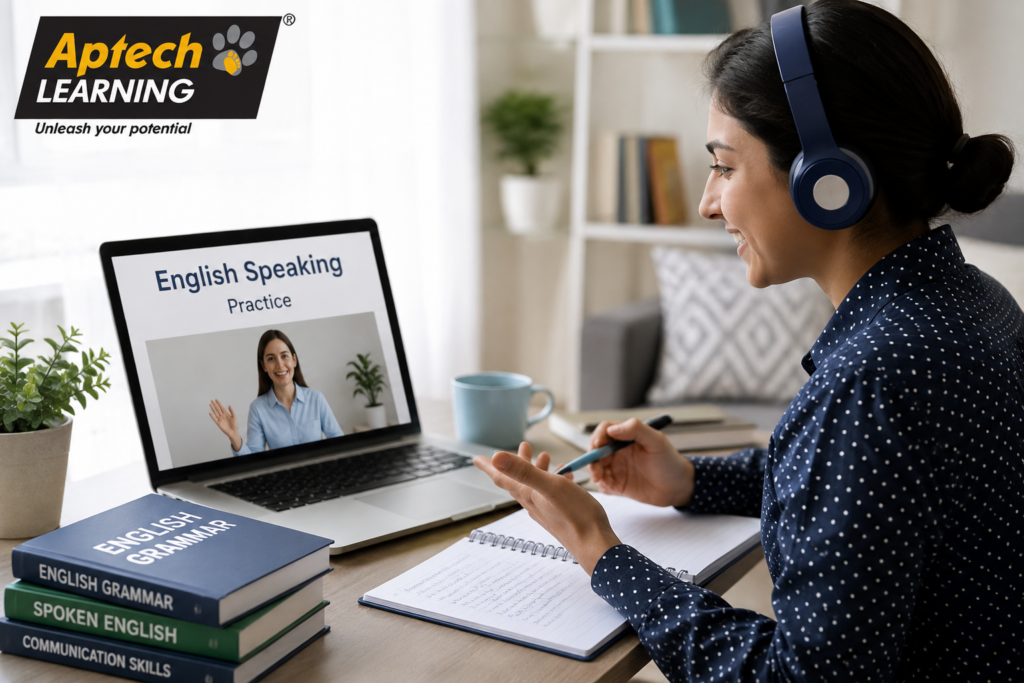
Why Home-Based English Speaking Practice Can Genuinely Work
There is a common assumption that real English speaking improvement only happens in a classroom with a teacher correcting every mistake. In reality, a significant part of speaking fluency comes from consistent, repeated practice, something that is entirely possible to build at home, especially in the early stages of learning.
Think of it like learning to cook. A cooking class can certainly help, but a lot of genuine skill still comes from practising in your own kitchen, repeating recipes, and gradually getting more comfortable through repetition. English speaking works similarly. Daily, structured practice at home, done consistently, can build real, usable confidence, especially when combined with active listening and honest self-review.
This does not mean formal classes have no value, they genuinely do, especially for structured feedback. But for a beginner starting out, home-based practice is often a realistic, effective, and genuinely accessible starting point.
Why Choosing the Right Home Study Methods Matters
Choosing effective home-based methods, rather than random ones, matters for a few clear reasons:
Not all study methods are equally effective, and some popular habits, like passively reading grammar books, do very little to actually build speaking confidence.
Limited time and motivation make it important to focus on methods that give the most improvement for the effort invested, rather than spreading energy too thin.
Without structured feedback from a teacher, it becomes even more important to choose methods that include some form of self-review, like recording your own speech.
Effective home practice builds a strong foundation, which becomes even more valuable later if you do decide to join a formal course, since you will not be starting from zero.
Consistency is easier to maintain when your chosen methods feel genuinely useful and rewarding, rather than tedious or disconnected from real speaking improvement.
Types of At-Home English Speaking Practice
There are several genuinely effective categories of home-based practice worth understanding.
Solo Speaking Practice
This involves speaking out loud by yourself, such as describing your day, narrating actions, or practising simple conversations aloud.
Listening-Based Practice
This involves actively listening to English podcasts, videos, or conversations to build natural pronunciation and sentence exposure.
Shadowing Practice
This involves listening to short audio clips and immediately repeating them aloud, closely matching pace and pronunciation.
Recorded Self-Review Practice
This involves recording yourself speaking and reviewing the recording to notice areas for improvement.
Practice with Family or Friends
This involves speaking English casually with willing family members or friends, even in short, simple daily conversations.
Practice Type | What It Involves | Example
Solo Speaking Practice | Speaking aloud independently | Narrating your morning routine in English
Listening-Based Practice | Actively listening to English content | Following an English podcast during chores
Shadowing Practice | Repeating audio clips aloud | Mimicking a short video clip’s speech
Recorded Self-Review | Recording and reviewing your speech | Listening back to a recorded self-introduction
Step-by-Step Guide to Learning English Speaking at Home
- Set a Realistic Daily Practice Time
Choose a specific, manageable time each day, even 15 to 20 minutes, dedicated purely to English speaking practice. - Start with Simple, Everyday Topics
Begin by describing familiar things, your daily routine, your home, or your family, using simple sentences you are comfortable with. - Practise Speaking Out Loud, Not Just Thinking
Actually say sentences out loud, rather than only forming them mentally, since speaking builds a different kind of muscle memory than silent thinking. - Build a Daily Listening Habit
Listen to English podcasts, YouTube videos, or shows for at least 15 to 20 minutes daily, focusing on natural pronunciation and common phrases. - Try the Shadowing Technique Regularly
Pick short audio or video clips and practise repeating them immediately after listening, matching tone and pace as closely as possible. - Record Yourself Weekly
Record short speaking sessions once or twice a week, and listen back to notice patterns in pronunciation, pacing, or recurring mistakes. - Gradually Increase Topic Difficulty
As you become more comfortable with simple topics, gradually move to slightly more complex ones, like describing opinions or explaining a process. - Practise with Someone When Possible
If you have a willing family member, friend, or classmate, practise simple conversations with them, even if it feels awkward at first. - Use Mirror Practice for Confidence
Practise speaking in front of a mirror occasionally, focusing on clear pronunciation and comfortable, natural expression. - Stay Consistent Over Weeks, Not Days
Real improvement comes from sustained, daily practice over weeks and months, rather than occasional, intense practice sessions.
Home Learning vs Formal Classes vs Hybrid Approach
Understanding these three approaches helps you decide what genuinely fits your situation.
Home learning offers flexibility, zero or low cost, and the ability to practise at your own pace, though it requires strong self-discipline and lacks structured, expert feedback.
Formal classes offer structured guidance, expert feedback, and often more consistent accountability, though they require time, cost, and sometimes travel commitment.
A hybrid approach combines home practice with occasional formal guidance, such as practising daily at home while periodically joining a course or speaking group for feedback and correction.
In simple words: home learning builds a strong, flexible foundation, formal classes add structured feedback and accountability, and a hybrid approach often offers the most balanced, effective path for many beginners.
Practical Examples
Student with Limited Budget: A student unable to afford formal classes immediately builds a consistent daily habit of listening to English podcasts and practising shadowing exercises, building noticeable confidence over a few months.
Homemaker Practising During Household Tasks: A homemaker listens to English content while doing daily chores, gradually incorporating simple English narration of her own activities throughout the day.
Working Professional with Limited Time: A working professional dedicates just 20 minutes each morning to speaking practice before work, maintaining consistency despite a busy schedule.
Student Practising with a Sibling: Two siblings agree to speak only in English with each other for a set time each day, turning practice into a shared, low-pressure daily habit.
Common Mistakes Beginners Make While Learning at Home
Only reading or writing English, without actually speaking it aloud regularly. Passive study alone does not build the same speaking confidence as active, out-loud practice.
Practising inconsistently, in bursts rather than daily habits. Occasional, intense study sessions are generally less effective than shorter, consistent daily practice.
Avoiding speaking practice due to fear of mistakes, even when alone at home. This fear can persist even in private practice, unnecessarily slowing down progress.
Not incorporating listening practice alongside speaking. Focusing only on speaking without active listening limits natural pronunciation and phrase exposure.
Setting unrealistic expectations for quick results. Expecting fluency within days or weeks can lead to frustration and giving up before genuine progress is realistically possible.
Not reviewing or reflecting on practice sessions. Practising without any self-review, like recording and listening back, makes it harder to notice and correct recurring mistakes.
Career and Personal Benefits of Strong Spoken English
Improving English speaking skills at home genuinely supports both career and personal growth. Professionally, stronger spoken English can improve interview performance, workplace communication, and access to roles that specifically require confident English communication. Personally, it builds broader self-confidence, expands access to a wider range of educational and entertainment content, and can make everyday interactions, from travel to social situations, noticeably smoother. While home-based learning may take a bit more self-discipline compared to a structured class, the benefits it builds are genuinely transferable across nearly every area of daily life and career growth.
Realistic Expectations for Home-Based Learning
Home-based English speaking practice can genuinely build strong, functional confidence over time, but it is worth setting realistic expectations from the start. Progress is usually gradual rather than immediate, and consistency matters far more than occasional, intense effort. Some beginners see noticeable improvement in a few weeks of daily practice, while others may take a couple of months to feel genuinely comfortable, depending on their starting point and how much daily time they can realistically commit. Patience and steady effort, rather than expecting overnight fluency, lead to the most sustainable, lasting results.
Skills You Should Focus On
Practical, everyday vocabulary for common situations and daily routines
Clear pronunciation, built gradually through listening and shadowing practice
Comfortable speaking pace, avoiding both rushing and excessive hesitation
Basic sentence structure fluency for expressing simple, everyday thoughts clearly
Active listening skills to naturally absorb pronunciation and common phrasing
Free and Low-Cost Tools and Resources
Resource | Primary Use
English YouTube Channels | Free listening practice and pronunciation exposure
English Podcasts | Daily listening habit building, often usable during chores or commutes
Mobile Voice Recording Apps | Recording and reviewing your own speaking practice
Free Vocabulary Apps | Reinforcing practical, everyday word usage
English Subtitled Movies or Shows | Improving listening comprehension and natural phrase exposure
Eligibility
There is no fixed educational background or age requirement to start learning English speaking at home, since these methods are generally accessible to anyone with basic reading ability in English and a willingness to practise consistently. Complete beginners, as well as those looking to refine existing basic skills, can both benefit from a structured, self-guided home practice approach.
How Long It Realistically Takes
The time it takes to build genuine confidence through home-based English speaking practice varies based on your starting level and daily consistency, but many beginners notice meaningful improvement within a few weeks to a couple of months of regular, focused daily practice. Since home learning depends heavily on self-discipline, progress can vary more widely between individuals compared to a structured class environment, making consistent daily effort especially important for steady, reliable improvement.
Who Benefits Most From Learning English Speaking at Home
Students and beginners who want to start building English speaking confidence before or alongside formal classes
Homemakers and individuals with flexible daily schedules who can incorporate practice into daily routines
Working professionals with limited time or budget for formal classes right now
Anyone motivated to build a consistent, self-guided daily practice habit without needing external accountability
Beginners looking for a low-cost or free starting point before deciding whether to invest in a formal spoken English course

Frequently Asked Questions
What is the best way to learn English speaking at home as a beginner?
Daily speaking practice out loud, active listening to English content, shadowing exercises, and regular self-review through recordings are generally the most effective home-based methods.
Can I really become fluent in English just by practising at home?
Yes, especially in the early to intermediate stages, consistent home practice can build genuine, functional fluency, though structured classes can further support and accelerate progress.
How much time should I dedicate daily to learning English speaking at home?
Even 15 to 30 minutes of focused daily practice, combining speaking and listening, can lead to meaningful improvement over consistent, regular practice.
What is the shadowing technique, and does it really help?
Shadowing involves repeating short audio clips immediately after listening, and it genuinely helps build natural pronunciation, pacing, and rhythm through active practice.
Do I need a speaking partner to practise English at home?
No, solo practice methods like speaking aloud independently, shadowing, and recording yourself can be highly effective even without a regular speaking partner.
How can I practise English speaking if I feel too shy or nervous?
Starting with private, solo practice, like speaking to yourself or recording alone, can help build initial confidence before gradually practising with others.
Conclusion
Learning English speaking at home is genuinely possible and, for many beginners, a practical, effective starting point, especially when approached with consistent, structured daily practice rather than random, passive study. Speaking aloud daily, listening actively, and reviewing your own progress can build real, usable confidence over time, even without immediate access to a formal class.
The key is consistency, choosing methods that involve actual speaking practice, and being patient with gradual, steady progress rather than expecting instant fluency. Whether home practice becomes your complete learning path or a strong foundation before joining a formal course, the effort you put in daily is what ultimately builds genuine confidence.
Soft Call to Action
If you are based in Lucknow and eventually want structured, guided practice to build on what you have started at home, Aptech Learning Lucknow offers spoken English courses designed for beginners and working professionals alike. You can visit the institute, speak with their counsellors, or attend a demo class to understand how the course could support your continued progress.